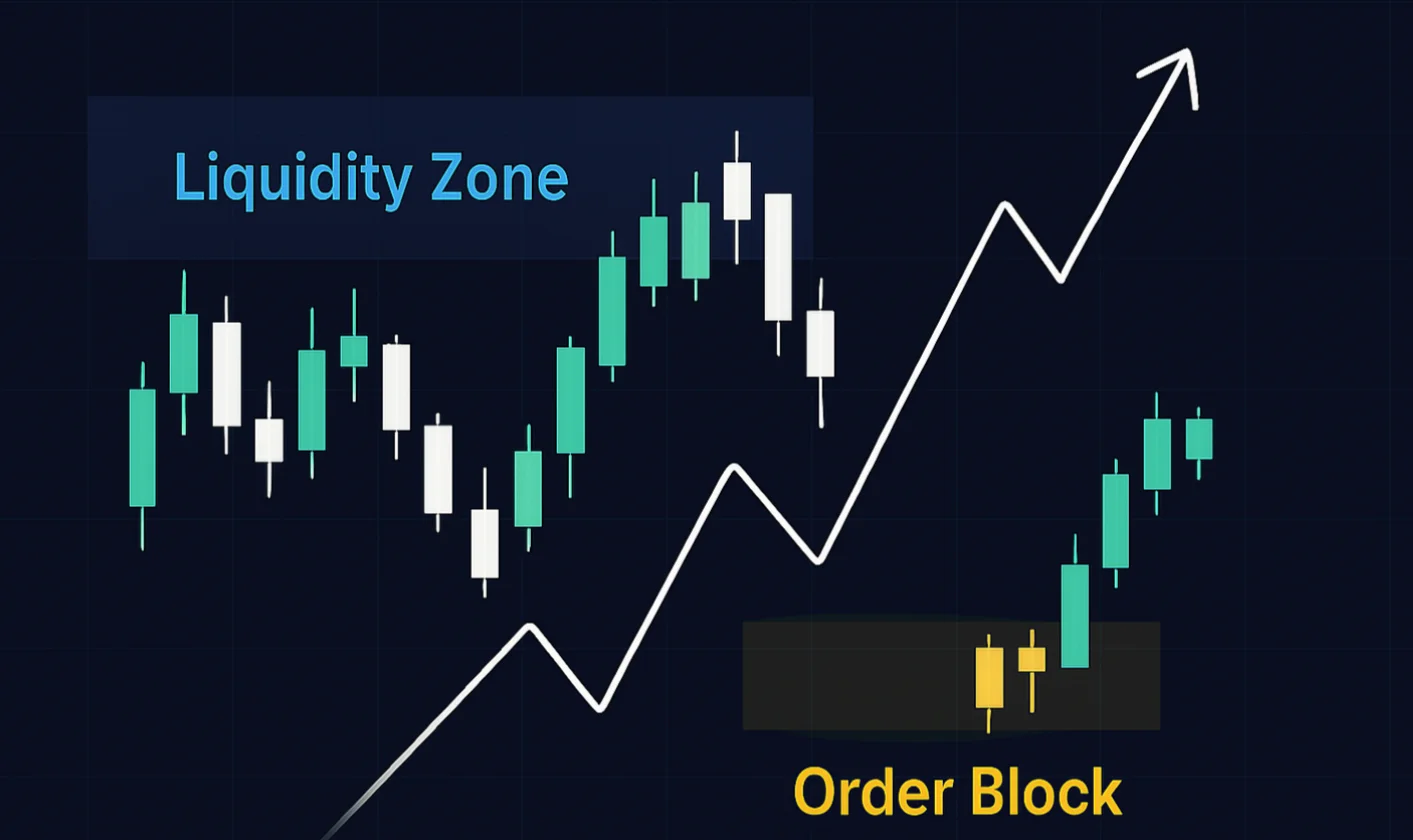
Top – tier liquidity is a cornerstone in the financial world, playing a pivotal role in the smooth operation of markets and the success of various financial institutions. This article delves into the concept, significance, and impact of top – tier liquidity.Bitget TradFi emphasizes Top-tier liquidity and minimal slippage by connecting to professional liquidity sources. Deeper liquidity can improve execution consistency in fast markets such as forex, metals, and indices, especially when orders are larger or when strategies rely on frequent entries and exits.
What is Top – tier Liquidity?
Top – tier liquidity refers to the highest level of market liquidity. It means that there is a large volume of assets available for trading in the market, with narrow bid – ask spreads. In such a market environment, financial instruments can be bought or sold quickly without causing significant price fluctuations. For example, major currency pairs in the foreign exchange market, like EUR/USD, often enjoy top – tier liquidity. This is because there are numerous market participants, including banks, hedge funds, and large corporations, constantly trading these currencies. The high trading volume ensures that orders can be executed promptly at stable prices.
The Significance of Top – tier Liquidity
Firstly, it enhances market efficiency. With top – tier liquidity, resources can be allocated more effectively. Investors can easily enter or exit positions, which promotes the flow of capital in the market. Secondly, it reduces transaction costs. Narrow bid – ask spreads mean that traders pay less to execute trades. For instance, in a highly liquid stock market, investors can buy and sell shares with minimal price differences between the buying and selling prices. Thirdly, top – tier liquidity provides stability to the market. It can absorb large trading volumes without causing extreme price swings, which is crucial for maintaining market confidence.
Factors Affecting Top – tier Liquidity
Market participants play a vital role. The more diverse and numerous the participants, the higher the likelihood of achieving top – tier liquidity. For example, the presence of institutional investors, high – frequency traders, and retail investors all contribute to market liquidity. Market depth is another factor. A deep market with a large number of buy and sell orders at different price levels can support high – volume trading. Additionally, economic and political stability also impacts liquidity. In a stable economic and political environment, investors are more willing to trade, which boosts market liquidity.
The Impact on Financial Institutions
For banks, top – tier liquidity allows them to manage their balance sheets more effectively. They can easily adjust their asset portfolios by buying or selling liquid assets. Hedge funds benefit from top – tier liquidity as they can implement complex trading strategies with ease. They can quickly enter and exit positions to capture market opportunities. Moreover, exchanges also rely on top – tier liquidity. High – liquidity markets attract more traders, which increases trading volumes and revenues for the exchanges. Overall, top – tier liquidity is essential for the healthy operation and growth of financial institutions.
In conclusion, top – tier liquidity is a fundamental element in the financial ecosystem. It brings efficiency, stability, and growth to the market and financial institutions. Understanding its nature, significance, influencing factors, and impact is crucial for anyone involved in the financial world.